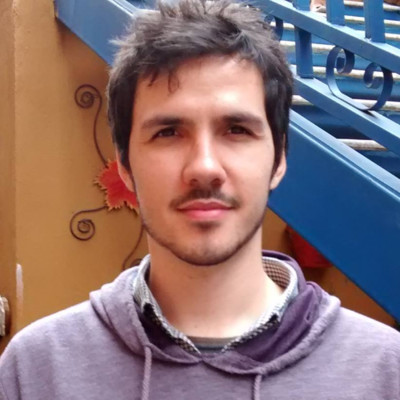
Alan Da Silva
Senior Software Engineer at Freelance
São Paulo, Brazil



Summary
🤩
Rockstar🎓
Top SchoolAlan Da Silva is a Senior Software Engineer based in São Paulo with over 15 years of hands-on experience building backend systems, developer tools, and mobile integrations. He combines deep Python expertise with systems-level work—contributing to notable open-source projects like RustPython (implementing core format handling and stdio/threading features) and celery/kombu—demonstrating comfort across language boundaries and runtime internals. His career spans startups, enterprise e-commerce, and consultancy, where he translated data science needs into production-ready architectures and led high-pressure web platforms. Known for pragmatic refactors and interoperability fixes (from Redis caching improvements to Android BroadcastReceiver enhancements), he brings both research acumen and operational experience to complex engineering problems.
 16 years of coding experience
 3 years of employment as a software developer
 Escola Técnica Estadual "Julio de Mesquita" - ETEJMBacharel em Sistemas de Informação, Informática, Bacharel em Sistemas de Informação, Informática at USP - Universidade de São PauloEscola Técnica Estadual "Lauro Gomes" - ETELGTecnólogo em Sistemas de Informação, Informática, Tecnólogo em Sistemas de Informação, Informática at Faculdade de Tecnologia Termomecânica
 Portuguese, English
Stackoverflow
4,032reputation
2.5mreached
34answers
3questions
python-requests
top-5%
ssl
top-5%
pygame
top-5%
python
top-5%
uwsgi
top-5%

Github Skills (48)
debugging10
caching10
kombu10
messaging10
string-format10
python10
redis10
multithreading10
back-end-development10
django10
django-rest10
interpreter10
kivy10
rabbitmq10
rest10
Programming languages (21)
Github contributions (5)
alanjds/drf-nested-routers
Sep 2013 - Jan 2023
Nested Routers for Django Rest Framework
Role in this project: Back-end Developer
Back-end DeveloperContributions:3 releases, 14 reviews, 303 commits in 9 years 4 months
Contributions summary:Alan primarily contributed to the development and maintenance of the Django REST Framework nested resources library. Their work involved fixing bugs, adapting the code for different Python and Django versions, and preparing the package for distribution on PyPI. The user also added the Apache license and performed version bumps, and integrated fixes from other contributors. Their changes focused on the core functionality of the library.
django-rest-frameworkroutersdjangorestnested-resources
jazzband/django-redis
Oct 2014 - Dec 2016
Full featured redis cache backend for Django.
Role in this project:Back-end Developer
Back-end DeveloperContributions:7 commits, 1 PR, 2 comments in 2 years 2 months
Contributions summary:Alan primarily contributed to the Django-Redis project by enhancing and refactoring the caching functionality. They implemented options for compressing Redis values using zlib, allowing for more efficient storage. Further contributions include enabling fallback writes to slaves and adjusting the retrieval of client indices and connections to Redis. These changes improved the flexibility and reliability of the Redis cache backend.
backenddjangoredis-cache
Find and Hire Top DevelopersWe’ve analyzed the programming source code of over 60 million software developers on GitHub and scored them by 50,000 skills. Sign-up on Prog,AI to search for software developers.