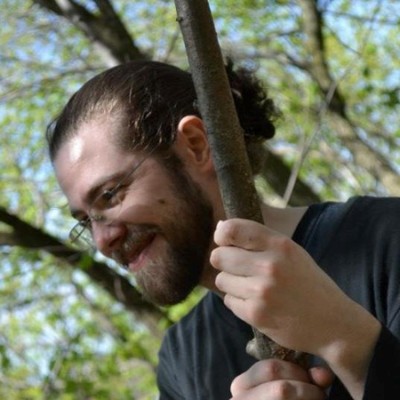
Brian Taylor
Senior Partner Engineer, Games at Unity
Pittsburgh, Pennsylvania, United States



Summary
🤩
Rockstar🎓
Top SchoolBrian Taylor is a Senior Partner Engineer for Games at Unity with six years of professional software engineering experience and a background in both computer science and Japanese from the University of Pittsburgh. He has progressed through engineering roles at Unity since 2019 and earlier built systems at TerraSim, blending backend systems work with partner-facing engineering. An active contributor to the high-profile dotnet/runtime and dotnet/linker projects, he has deep experience improving reflection handling and linker behavior to make .NET apps smaller and more correct. Based in Pittsburgh, he focuses on bridging core runtime engineering with practical game development needs, often translating low-level runtime improvements into real-world partner benefits. Notably, he brings a rare mix of runtime internals expertise and cross-cultural communication skills from his language studies, useful when coordinating global game partners.
 7 years of coding experience
 7 years of employment as a software developer
 Bachelor's Degree Computer Science, Bachelor's Degree Computer Science at University of Pittsburgh
 English, Japanese
Github Skills (14)
unit-testing10
asp-net10
reflections10
net10
reflection10
dotnet-new10
dotnet10
linker10
csharp10
dotnet-core10
test-automation10
testing9
refactoring8
refactor8
Programming languages (1)
Github contributions (5)
dotnet/linker
Nov 2019 - Oct 2020
Role in this project: Back-end Developer & Test Automation Engineer
Back-end Developer & Test Automation EngineerContributions:1 review, 5 commits, 5 PRs in 11 months
Contributions summary:Brian primarily contributed to the project by adding features to enhance the linker's reflection handling capabilities. This involved introducing a callback mechanism for processing reflection dependencies and modifying existing code to correctly handle generic interfaces in test cases. Furthermore, the user removed unused "using" directives in several test cases, ensuring code cleanliness and compatibility.
dotnet/runtime
Nov 2019 - Oct 2020
.NET is a cross-platform runtime for cloud, mobile, desktop, and IoT apps.
Role in this project:Back-end Developer
Back-end DeveloperContributions:5 commits in 11 months
Contributions summary:Brian primarily contributed to the .NET runtime project by modifying code related to the linker tool. Their work focused on implementing reflection-related functionalities, including adding callbacks for handling reflection calls and resolving interfaces when checking the KeptInterface attribute. The user also removed unused directives in test cases and refactored parts of the code to allow for more effective processing of reflection dependencies. These modifications enhance the linker's ability to correctly analyze and optimize .NET applications.
dotnetiotmobile
Find and Hire Top DevelopersWe’ve analyzed the programming source code of over 60 million software developers on GitHub and scored them by 50,000 skills. Sign-up on Prog,AI to search for software developers.