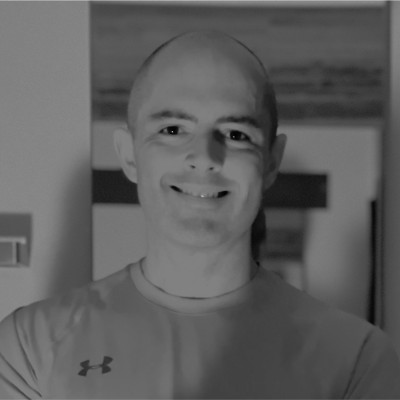
David Sicilia
Software Engineer at Citadel
New York, New York, United States



Summary
👤
Senior🎓
Top SchoolDavid Sicilia is a seasoned C++ and Linux software engineer with 11 years of experience applying physics-trained rigor to low-latency trading systems and core analytics infrastructure. He has held senior roles at Google and Citadel after a long tenure at JPMorgan, building production-grade C++ libraries and backend systems for performance-critical environments. An active open-source contributor, he has improved C++ code generation and compile-time reflection in Google’s widely used FlatBuffers and enhanced usability in the backward-cpp stack-tracing tool. Comfortable across the stack but happiest optimizing native code, he blends academic depth from a PhD in physics with pragmatic engineering that surfaces in robust, well-tested implementations. Based in New York, he brings a knack for solving tricky interoperability and template-metaprogramming problems that often hide behind everyday APIs.
 11 years of coding experience
 12 years of employment as a software developer
 PhD, Physics, PhD, Physics at Dartmouth CollegeBS, Physics, 3.91, BS, Physics, 3.91 at Lehigh University
 Italian, corporate gibberish
Github Skills (18)
c-language10
template-metaprogramming10
data-serialization10
environment-variables10
serialization10
c1710
code-generation10
flatbuffers10
cpp10
cprogramming-language10
refactor9
refactoring9
stacktrace8
debugging7
debug7
Programming languages (16)
Github contributions (5)
google/flatbuffers
Jan 2020 - Mar 2021
FlatBuffers: Memory Efficient Serialization Library
Role in this project: Back-end Developer
Back-end DeveloperContributions:36 reviews, 7 commits, 12 PRs in 1 year 2 months
Contributions summary:David primarily contributed to the C++ code generation aspects of the FlatBuffers serialization library. Their work includes adding features for C++17 such as traits classes and factory functions to improve the library's usability with template metaprogramming. They also modified the code to use strong enum types for vectors, especially when scoped-enums are enabled, addressing specific issues related to enum handling. Additionally, they worked on compile-time reflection to enhance the library's features, modifying and generating relevant code for the static reflection process.
rpcmemorypythonmarshallingprotobuf
bombela/backward-cpp
Dec 2019 - Feb 2020
A beautiful stack trace pretty printer for C++
Role in this project:Back-end Developer
Back-end DeveloperContributions:5 commits, 1 PR, 16 comments in 2 months
Contributions summary:David contributed to the `backward-cpp` repository, a stack trace pretty printer for C++. Their work focused on enhancing the tool's usability and flexibility. Specifically, they implemented a feature that allows users to specify search paths for source files via an environment variable, addressing issues with relative paths in binaries. Further contributions involved code refactoring, including optimizing the path splitting function and caching the environment variable result.
cppstack-tracec-plus-plusprintertrace
Find and Hire Top DevelopersWe’ve analyzed the programming source code of over 60 million software developers on GitHub and scored them by 50,000 skills. Sign-up on Prog,AI to search for software developers.