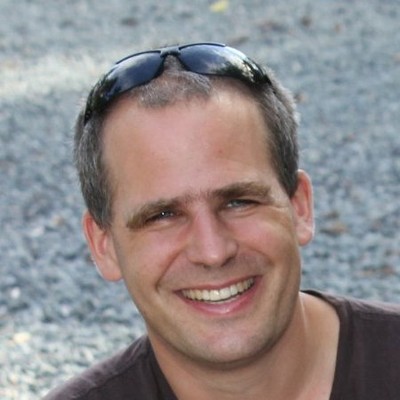
Mark Pearson
Senior Linux Developer at Lenovo
Ottawa, Ontario, Canada



Summary
🤩
Rockstar🎓
Top SchoolMark Pearson is a Senior Linux Developer with two decades of deep embedded systems experience, leading Linux and U-Boot bring-ups for telecom and PC platforms and shepherding 20+ boards from first power-on to production. Based in Ottawa, he has led PC Linux teams at Lenovo (and previously IBM/Blade) to integrate distro and firmware work across PowerPC, Intel and PIC architectures, and has significant on-site customer debug experience. He contributes upstream to the Linux kernel—notably to the think-lmi/ThinkPad ACPI area—and to ONIE, improving hardware support and build processes for real-world data center platforms. Comfortable across Yocto, toolchains, low-level diagnostics and manufacturing test utilities, he pairs pragmatic systems-level engineering with open-source collaboration. Fluent in English and French, he brings both hands-on technical depth and proven leadership in transitioning complex products into mainstream Linux distributions.
 10 years of coding experience
 21 years of employment as a software developer
 Master of Engineering (MEng), Electrical and Information Science Tripos, Master of Engineering (MEng), Electrical and Information Science Tripos at University of Cambridge
 English, French, German
Github Skills (18)
bios10
bash10
c1110
linux-kernel10
makefile10
networking10
c1710
installer10
sys10
build-automation10
embedded10
installers10
bootloader9
acpi9
u-boot8
Programming languages (7)
Github contributions (5)
opencomputeproject/onie
Oct 2015 - Mar 2019
Open Network Install Environment
Role in this project: DevOps Engineer & Embedded Systems Engineer
DevOps Engineer & Embedded Systems EngineerContributions:17 commits, 14 PRs, 13 comments in 3 years 5 months
Contributions summary:Mark's contributions primarily involved modifying build configurations and scripts for the Open Network Install Environment (ONIE). They added support for new hardware platforms (Lenovo G8272, NE0152t), adjusted settings to prevent system halting on specific Lenovo hardware, and updated the build process for filesystem tools. Their work also included implementing dynamic device node population and refining the image build process for various hardware configurations, demonstrating an understanding of embedded system configurations.
openflownetwork-automationinstallernetworkingansible
torvalds/linux
Jan 2023 - Mar 2023
Linux kernel source tree
Role in this project:Embedded Systems Engineer
Embedded Systems EngineerContributions:6 commits in 1 month
Contributions summary:Mark primarily contributed to the `think-lmi` driver within the Linux kernel, focusing on features related to Lenovo's BIOS settings. Their work included improving the check for BIOS account security, adding support for multi-certificate authentication, and allowing for empty admin passwords under specific conditions. They also mapped the F23 key for the Copilot shortcut and updated the Thinkpad ACPI driver to support V9 DYTC platform profiles, demonstrating involvement with hardware-specific configurations. Additionally, the user addressed a driver registration issue to ensure the correct functionality.
kernellinux-kernellinuxkernel-source
Find and Hire Top DevelopersWe’ve analyzed the programming source code of over 60 million software developers on GitHub and scored them by 50,000 skills. Sign-up on Prog,AI to search for software developers.