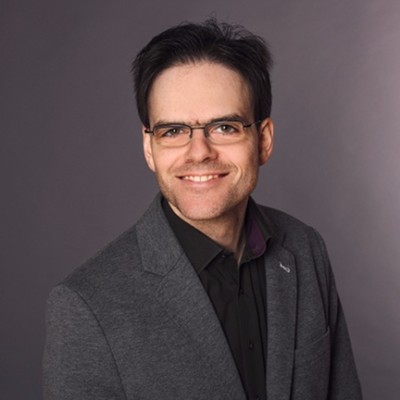
Philipp Kant
Founder And CTO at Ensurable Systems
Berlin, Germany



Summary
🤩
Rockstar🎓
Top SchoolPhilipp Kant is a Berlin-based founder and CTO with 12 years of experience building robust, research-driven distributed systems and blockchains. He led large engineering organizations at IOHK—bridging formal research and production software—and later managed product and engineering teams at the Mina Foundation before founding Ensurable Systems. A hands-on Haskell developer, Philipp made substantive contributions to Cardano core projects (node, ledger, and Cardano-SL), improving networking, CLI tooling, and ledger performance for a major proof-of-stake protocol. He pairs a PhD in physics with deep practical expertise in formal methods, enabling pragmatic yet highly verifiable system design. Known for hiring and scaling specialist teams, he prefers solving architectural complexity over short-term hacks, bringing academic rigor to fast-moving product environments.
 12 years of coding experience
 17 years of employment as a software developer
 Vordiplom Physics, Vordiplom Physics at Marburg UniversityDoctor of Philosophy (Ph.D.) Physics, Doctor of Philosophy (Ph.D.) Physics at Karlsruhe Institute of Technology (KIT)
 English, German
Github Skills (16)
cryptocurrency10
command-line-interface10
ledger10
cardano10
networking10
haskell10
blockchain10
implement10
cli10
command-line10
concurrency9
system-design9
data-structure9
data-structures9
algorithms8
Programming languages (7)
Github contributions (5)
IntersectMBO/cardano-ledger
Oct 2018 - Sep 2020
The ledger implementation and specifications of the Cardano blockchain.
Role in this project: Back-end Developer
Back-end DeveloperContributions:3 reviews, 159 commits, 50 PRs in 1 year 10 months
Contributions summary:Philipp primarily focused on the ledger implementation and specifications of the Cardano blockchain. They modified core files, including `LedgerState.hs` and other related Haskell files, to refine the ledger's operational rules, add and split protocol parameters, and optimize the memory footprint of UTxO. Their work involved updating and refining the core data structures and transition rules within the blockchain's ledger. These changes contribute to improving performance and maintainability of the Cardano ledger.
adablockchainplutuscryptocurrencyspecifications
input-output-hk/cardano-sl
Feb 2017 - Aug 2018
Cryptographic currency implementing Ouroboros PoS protocol
Role in this project:Backend Developer
Backend DeveloperContributions:114 commits, 38 PRs, 224 pushes in 1 year 6 months
Contributions summary:Philipp primarily contributed to the backend logic of the Cardano-SL project, specifically focusing on the node's networking and peer-to-peer communication aspects. Their work involved implementing fair queueing disciplines for network transport, fixing node specifications, and optimizing peer statistics tracking. Furthermore, the user addressed bugs and improved the overall efficiency and robustness of the system.
cardanocryptographyposadacryptographic
Find and Hire Top DevelopersWe’ve analyzed the programming source code of over 60 million software developers on GitHub and scored them by 50,000 skills. Sign-up on Prog,AI to search for software developers.